DALL-E AI Tool
DALL-E
Title:"Unlocking Creativity with DALL-E: A Deep Dive into the Revolutionary AI Art Tool"
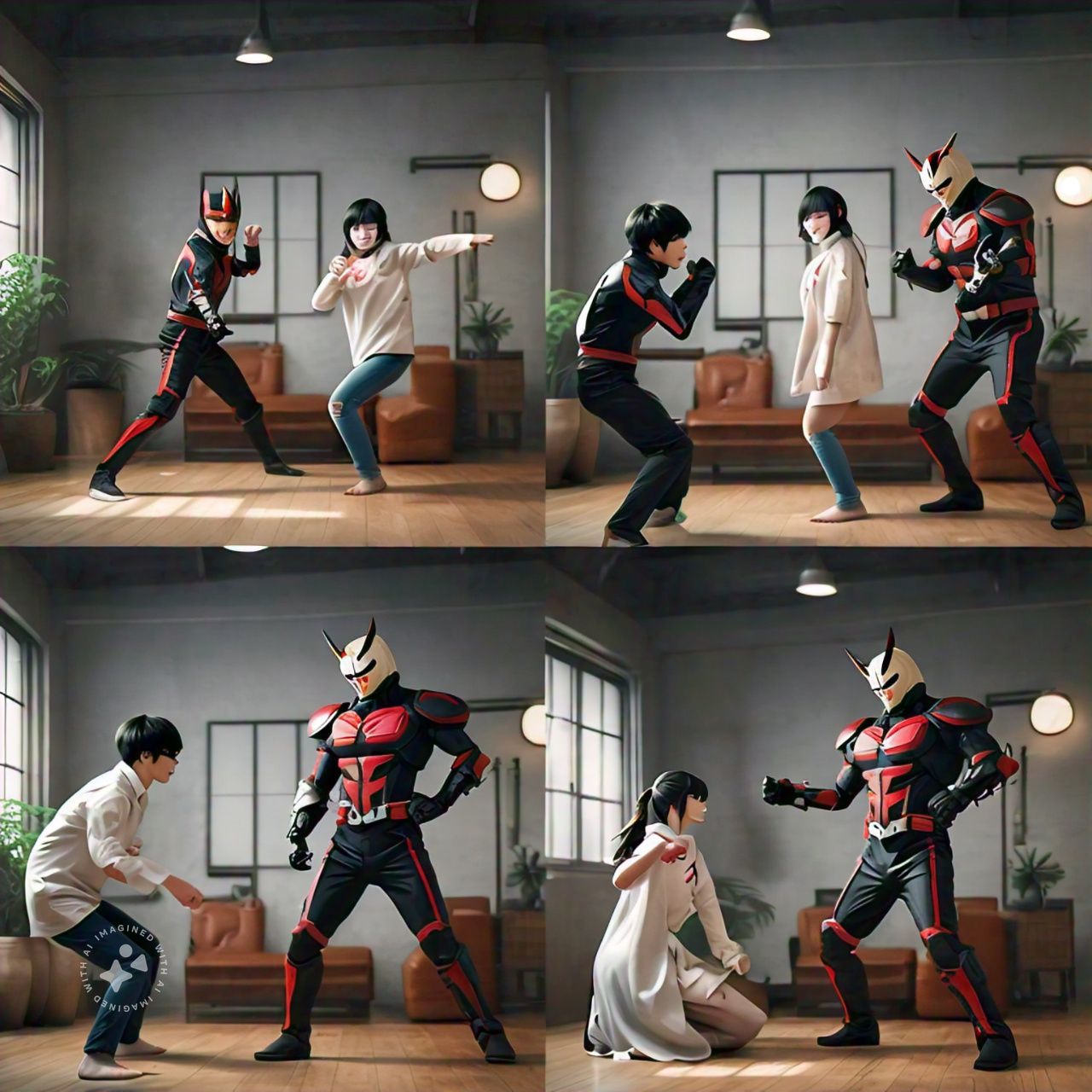
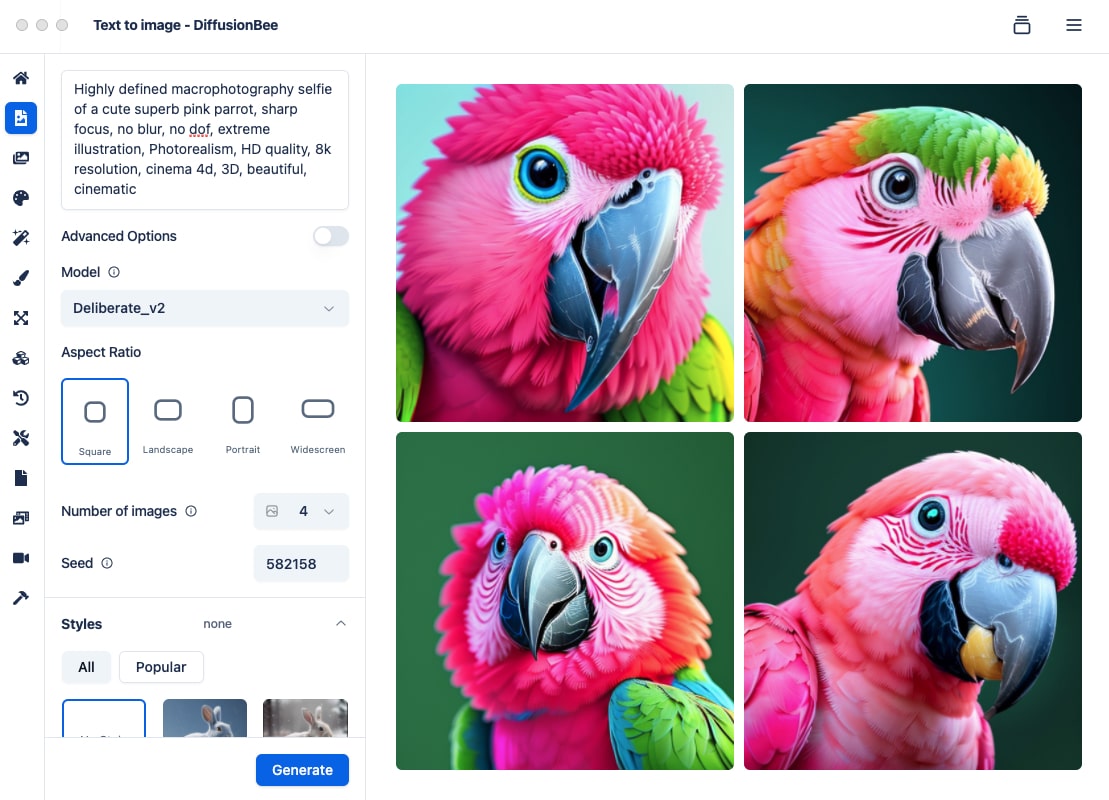
DALL-E is a groundbreaking AI tool developed by OpenAI that generates images from textual descriptions, pushing the boundaries of creativity in art and design.
 Introduction (Around 1500 Words):
ificial Intelligence (AI) has been making waves across
various industries, transforming processes, and enhancing capabilities. Among
these innovations, OpenAI's DALL-E stands out as a revolutionary tool in the
realm of digital art and design. Named after the famous surrealist artist
Salvador Dalí and Pixar’s lovable robot character WALL-E, DALL-E is a neural
network that can create images from textual descriptions. This unique
capability allows users to generate imaginative and intricate visuals that were
previously unimaginable. In this comprehensive guide, we will explore what
DALL-E is, how it works, its types, and its potential applications, along with
a step-by-step workflow to effectively utilize this tool.
1. About DALL-E
DALL-E, introduced by OpenAI in January 2021, is an advanced
version of the GPT-3 language model, specifically designed to generate images
from text prompts. This model is built on a transformer architecture, enabling
it to understand and synthesize complex visual concepts based on textual input.
By processing language and visual information simultaneously, DALL-E opens up
new possibilities for creativity, making it an invaluable tool for artists,
designers, and content creators.
2. Introduction to DALL-E (Around 1500 Words)
2.1 The Genesis of DALL-E
The creation of DALL-E represents a significant milestone in
the intersection of AI and creativity. Developed by OpenAI, DALL-E leverages
the principles of generative pre-trained transformers (GPT) to produce images
from text prompts. This innovation is not just about creating random visuals
but generating coherent and contextually accurate images that match the given
descriptions. The implications of such technology are vast, impacting fields
such as digital art, advertising, entertainment, and education.
2.2 How DALL-E Works

DALL-E operates on a deep learning model known as a
transformer. It is trained on a diverse dataset containing millions of images
and their corresponding text descriptions. The training process involves
teaching the model to understand the relationship between textual descriptions
and visual elements. When provided with a text prompt, DALL-E generates images
by predicting pixel values that correspond to the given description.
At its core, DALL-E uses a technique called zero-shot
learning, which enables it to generate images for concepts it has never seen
before. This capability is crucial for producing creative and unique visuals
based on novel combinations of objects, styles, and scenes described in the
text.
2.3 Key Features and Capabilities
Text-to-Image Generation: DALL-E's primary feature is its
ability to create images from text descriptions. This feature allows users to
generate custom visuals by simply describing what they want to see.
Creative Compositions: DALL-E can combine unrelated objects
and styles in a single image, leading to unique and imaginative compositions.
Versatility: DALL-E is capable of producing a wide range of
image styles, including photorealistic images, paintings, sketches, and more.
2.4 Applications of DALL-E
Digital Art and Design: Artists and designers can use DALL-E
to generate inspiration or create base images that can be further refined. This
tool can assist in visualizing concepts and exploring new artistic styles.
Advertising and Marketing: Advertisers can utilize DALL-E to
create compelling visuals for campaigns, tailor-made to match the campaign’s
messaging and target audience.
Entertainment Industry: In film and game development, DALL-E
can be used to design characters, environments, and other visual elements,
enhancing creativity and efficiency in the production process.
Education: Educators can employ DALL-E to generate
illustrative content for teaching materials, making learning more engaging and
visually appealing.
3. Types of DALL-E
DALL-E comes in various forms, each tailored to specific
applications and levels of complexity. Understanding these types can help users
choose the right version for their needs.
DALL-E Mini: A smaller, more accessible version of the
original model, suitable for quick and simple image generation tasks.
DALL-E Mega: An enhanced version with more parameters,
offering higher quality and more detailed images, ideal for professional use.
DALL-E 2: The latest iteration, featuring improved
algorithms and higher resolution outputs. DALL-E 2 offers more advanced
capabilities and greater control over the generated images.
4. Workflow of DALL-E (Step by Step)
To effectively use DALL-E, follow these steps:
Define the Text Prompt: Clearly describe the image you want to generate. Be as detailed as possible to ensure the model understands your vision.